
Anthropic is operating a wet biology laboratory in the Bay Area, giving its models a direct role in experiments that must work outside a computer. The move could strengthen the company’s position in scientific AI, while exposing it to the same biological risks its leadership has urged the industry to control.
From model outputs to measurable results
Anthropic’s lab represents a significant change in how the company can develop and evaluate its systems. Large language models can propose biological mechanisms, design experiments and interpret research papers, but those capabilities remain theoretical until they produce results in a laboratory.
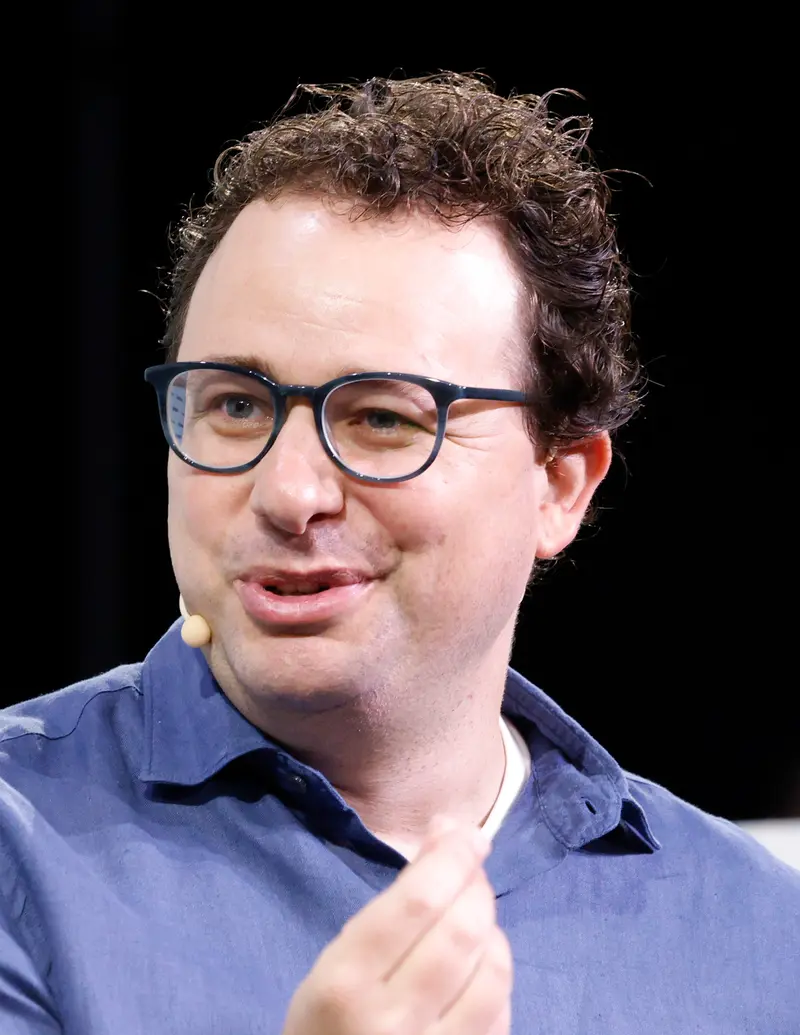
Eric Kauderer-Abrams, Anthropic’s head of life sciences, said the company believes real lab work will remain the final test for biology models for some time. That view sets the company apart from an AI development strategy based primarily on software benchmarks and simulated environments. In biology, a model’s value depends on whether its predictions survive contact with living cells, physical instruments and imperfect experimental procedures.
Anthropic has confirmed that the lab conducts some work internally and collaborates with outside partners. The company has not identified specific projects, however, and said its primary focus is fundamental biology rather than drug discovery. That distinction is commercially important. Fundamental research can improve model capabilities and generate intellectual property without placing Anthropic directly in competition with pharmaceutical companies that may use its systems.
The company already works with drugmakers and recently announced a drug discovery partnership with Novo Nordisk. A laboratory operation could make Anthropic’s models more useful to such customers by exposing weaknesses that are difficult to detect through software alone.
A new source of competitive advantage
Anthropic’s expansion follows its April acquisition of Coefficient Bio, a stealth AI biotechnology company. It has also launched a Life Sciences Verification Program, offering vetted biology researchers access to its most capable models, and published research involving protein design and biomolecular modeling.
Together, those efforts suggest Anthropic is building more than a specialized sales channel. It is assembling a feedback loop in which models assist with biological reasoning, researchers test their recommendations, and the resulting evidence improves future systems. Access to proprietary experimental data could become a durable advantage as leading AI companies compete to serve research organizations.
The strategy also creates a point of comparison with rivals including Google and Microsoft, which have extensive scientific computing businesses and relationships with laboratories. Anthropic has fewer established commercial platforms, so a focused biology capability could help it differentiate its models in a high value market. The tradeoff is cost. Wet labs require specialized staff, equipment, biological materials and compliance processes, all of which are more expensive and operationally complex than expanding model infrastructure.
Safety concerns move closer to operations
The development also creates a tension in Anthropic’s public identity. Chief executive Dario Amodei has repeatedly warned that advanced AI could increase biological misuse, including the risk of systems contributing to bioterrorism. Anthropic has been one of the industry’s most prominent voices calling for stronger safeguards around frontier models.
Running a physical lab does not automatically mean the company is pursuing dangerous work. It does mean Anthropic is operating closer to the capabilities, materials and procedures it says require careful control. Its decisions about employee access, partner screening, experiment approval and publication could become as important as the models themselves.
That tension may ultimately determine the business value of the initiative. If Anthropic can show that controlled experimentation makes its systems more reliable without weakening safeguards, the lab could become a meaningful moat in scientific AI. If governance lags behind capability development, the operation could instead expose the company to reputational, regulatory and security risks. For Anthropic, biology is now both a market opportunity and a test of whether its safety principles can survive contact with the real world.
- TechCrunch · CC BY 2.0

This article was written with the assistance of an AI system and published automatically.