
Google’s WeatherNext 3 is moving AI weather forecasting closer to the conditions that determine whether a prediction is useful: how quickly it absorbs a changing atmosphere. By adding more raw satellite observations, the model aims to narrow the gap between what is happening above us and when that information reaches a new forecast.
Speed becomes the competitive advantage
The upgrade matters because weather models do not operate in a static environment. A forecast generated several hours ago may already be losing relevance when a storm strengthens, a rain band shifts or temperatures rise faster than expected. Conventional numerical weather prediction systems address this problem by ingesting large volumes of observations and repeatedly calculating atmospheric physics. That process is powerful, but computationally expensive and operationally demanding.
AI models offer a different economic proposition. Once trained, they can generate forecasts substantially faster and with fewer computing resources than many traditional workflows. That could allow weather providers, emergency agencies, airlines and energy companies to request updated predictions more frequently. The value is not merely a lower operating bill. Faster updates can support decisions that depend on timing, including when to dispatch crews, reroute aircraft or prepare power networks for demand spikes.
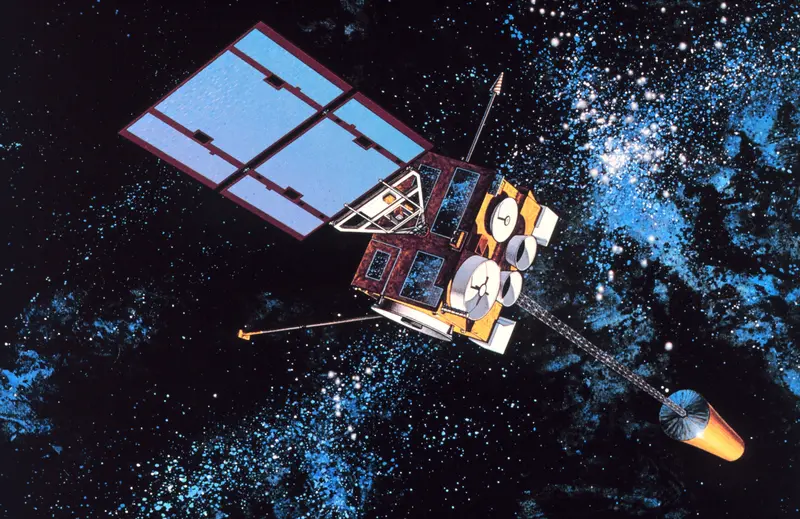
Ars Technica reported that WeatherNext 3 adds additional raw satellite data to its forecasting process. The change is significant because satellites provide some of the most continuous observations of clouds, moisture and atmospheric movement, particularly over oceans and areas with limited ground based monitoring.
Accuracy must be judged locally
The central test is not whether WeatherNext 3 improves an average score across the globe. Aggregate metrics can conceal the failures that matter most to users. A model may perform well on broad temperature forecasts while still missing the arrival time of intense rainfall or underestimating a rapidly developing storm.
Data assimilation is therefore the practical battleground. The system must convert fresh observations into a forecast without allowing noisy or incomplete measurements to distort its output. It must also preserve enough physical understanding to recognize how conditions evolve after the satellite passes overhead.
That creates a demanding test for WeatherNext 3. Does the model identify a storm’s intensification earlier? Can it improve precipitation timing at a city or neighborhood level? Does it reduce errors during heat waves, flash flooding and other local extremes? These outcomes are more commercially meaningful than a small improvement in a general benchmark.
Google’s wider strategic position
For Google, the weather effort also demonstrates how its AI infrastructure can convert specialized data into operational products. Weather forecasting is a useful proving ground because it combines enormous datasets, strict timing requirements and clear economic customers. Improvements could strengthen services for governments and businesses while showcasing methods that may apply to other prediction problems.
Google is not competing only with other AI laboratories. It is also challenging established forecasting institutions and companies whose advantage comes from decades of physical modeling, observation networks and operational experience. Those incumbents remain difficult to displace because weather decisions often require reliability, explainability and regional expertise, not just speed.
The likely outcome is a hybrid market rather than an immediate replacement of numerical models. AI forecasts can provide rapid, inexpensive updates, while conventional systems supply physical grounding, long range guidance and a benchmark for accountability.
WeatherNext 3 raises the bar if its satellite integration improves forecasts when conditions change fastest. The strategic prize is a forecasting system that is cheaper to run, quicker to refresh and dependable at the local level. Until that performance is demonstrated in severe weather and real operating environments, the announcement is a promising signal, not yet a decisive victory.
- NOAA Photo Library · Public domain

This article was written with the assistance of an AI system and published automatically.