
Nvidia CEO Jensen Huang appears to be taking a different position from Elon Musk and Sam Altman in the debate over whether artificial intelligence development should slow, a split that exposes the industry’s deeper conflict between safety and speed.
The disagreement is significant because it is not only about how quickly AI models should improve. It is also about who benefits from the infrastructure required to build them. Musk, who leads Tesla and xAI, and OpenAI CEO Sam Altman have supported concerns raised by Anthropic CEO Dario Amodei about the risks of advancing too quickly. According to a post from TechCrunch, Huang appears less persuaded by calls for restraint.
Huang’s position carries unusual weight. Nvidia supplies the graphics processors that train and operate many of the world’s most advanced AI systems. Its chips sit at the center of a broader expansion involving data centers, cloud providers, electricity networks and billions of dollars in capital spending.
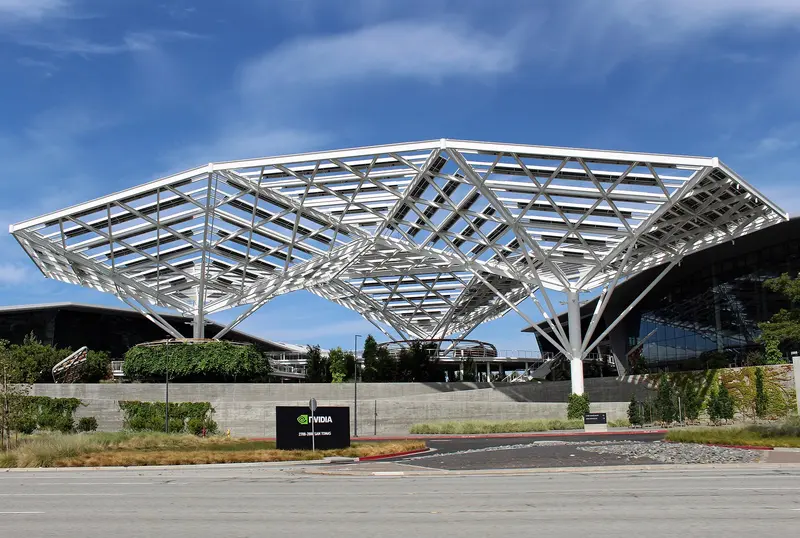
That gives the debate a direct commercial dimension. Faster development means more demand for computing power, as companies compete to produce stronger models and deploy AI agents across customer service, software development, finance and other industries. A slower pace could give researchers and regulators more time to test those systems, but it could also reduce near-term demand for the infrastructure Nvidia sells.
The argument is not simply a choice between progress and caution. AI companies are already attempting to improve model capabilities while adding safeguards, including monitoring systems, restricted access and evaluations designed to identify dangerous behavior. The question is whether those measures can keep pace with increasingly capable systems, or whether development is moving faster than the industry’s ability to understand and control them.
For enterprise buyers, the disagreement offers an important signal. Companies deciding whether to invest in AI must weigh potential productivity gains against uncertain costs involving privacy, reliability, security and workforce disruption. If Huang’s view becomes dominant, businesses may face pressure to adopt these systems sooner, before standards and best practices are fully settled.
The broader strategic question is whether restraint would protect society or weaken the position of companies and countries that choose to slow down. Huang appears to favor continued momentum, while Amodei’s warnings reflect a belief that frontier development needs stronger limits. The future of AI may depend on which argument becomes more convincing: that safety can be built during the race, or that the race itself needs to be slowed.
- Coolcaesar · CC BY-SA 4.0

This article was written with the assistance of an AI system and published automatically.